


Strictly, a vintage car was built between 1919 and 1930. “Classic” depends on who you ask: the Classic Car Club of America means a fine car built from 1915 to 1948, while insurers and most states call a car classic at 20 to 25 years old. In everyday talk, “vintage” means the pre-war look of running boards and upright grilles, and “classic” means the chrome, tailfins and convertibles of the 1950s to the 1980s. Below are real cars from every era you can book, each one labeled.
On this page
Ask ten people whether a 1957 Chevy is a classic car or a vintage car and you’ll get ten confident answers. The two words get swapped all the time, in conversation, in car ads and even in rental listings. They don’t mean the same thing, though, and once you know where the lines are drawn you can tell them apart from across a parking lot. Here’s what each word really means, who uses it and why, with real cars from every era that you can book, each one labeled so you can see the difference for yourself.
Classic vs vintage cars at a glance
| Term | Built | A car you can book |
|---|---|---|
| Brass era | Up to about 1916 | 1912 Ford Model T Speedster |
| Vintage | 1919–1930, by collectors’ rules | Rare to rent: see the vintage-style cars below |
| Classic (capital C) | 1915–1948, approved models only, by the Classic Car Club of America | Few are for hire: see the 1930s and 1940s cars below |
| Classic (everyday) | Around 20 to 25 years old or more, for insurers and most states | 1957 Chevrolet Bel Air |
| Antique | 25 years old or more, for the Antique Automobile Club of America | 1983 Rolls-Royce Corniche |
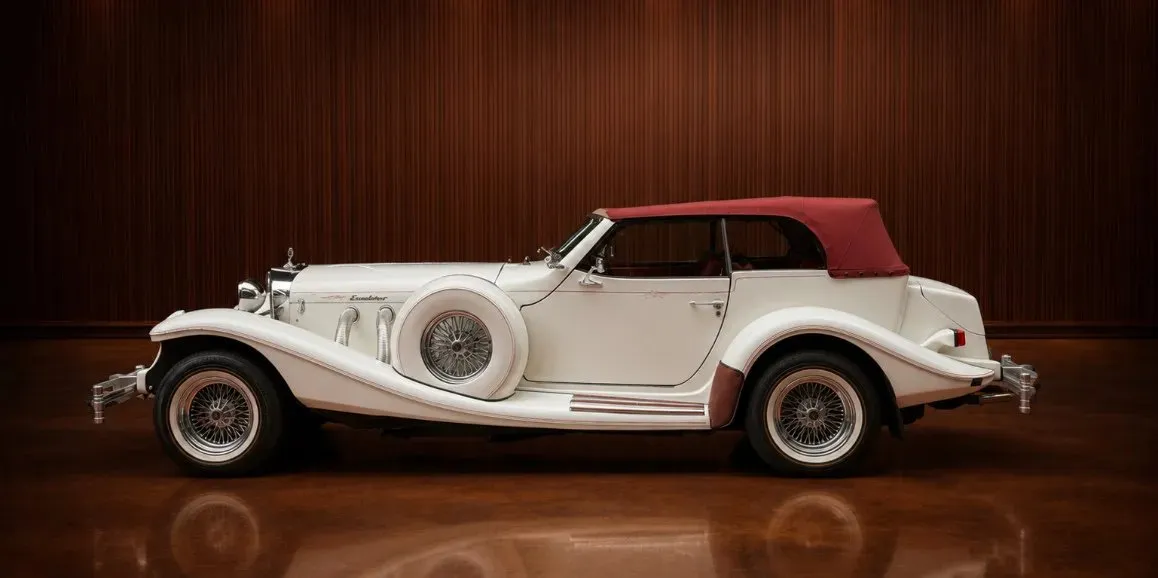
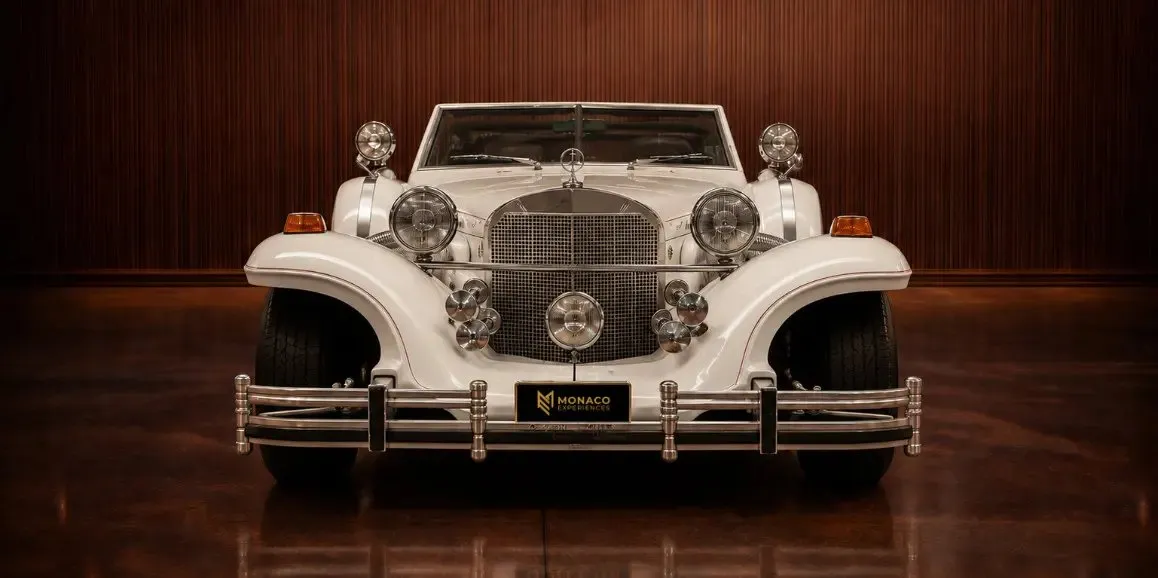
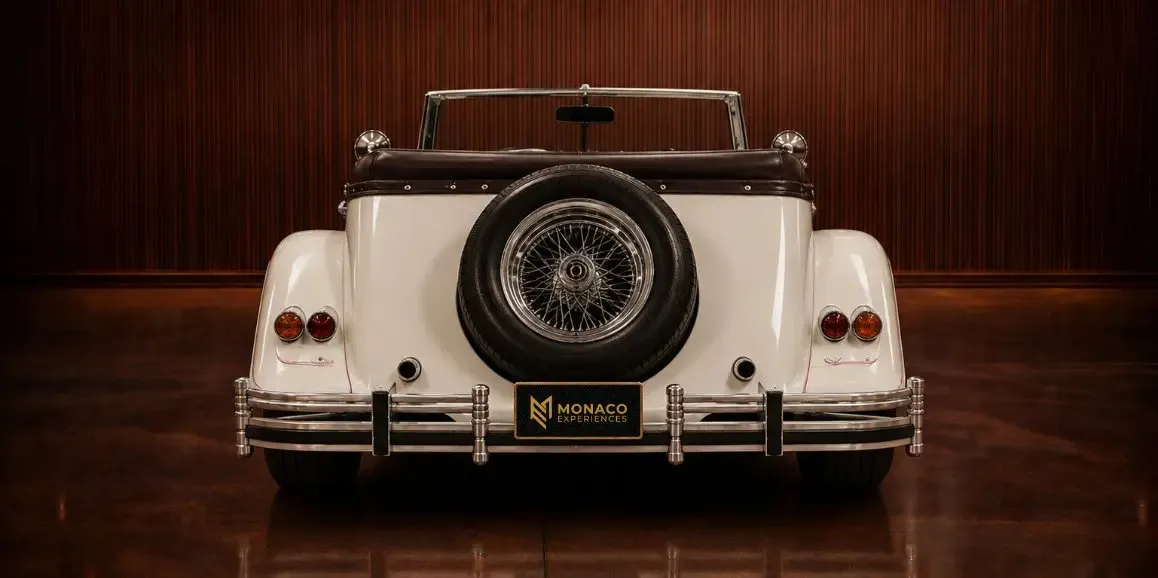
| Vintage-style | From the 1960s on, in a 1920s or 1930s style | Excalibur Phaeton |


What “vintage” really means
To a collector, a vintage car is one built between 1919 and 1930: after the First World War and before the Great Depression changed the car business for good. Britain’s Vintage Sports-Car Club, which drew the line, counts any car whose design dates from 1 January 1919 to 31 December 1930, and the collector-car insurer American Collectors uses the same window. Some insurers stretch it to 1939.
Cars from before 1919 have names of their own. The British call cars built up to 1904 “veteran” and those from 1905 to 1918 “Edwardian.” In America the years up to about 1916 are the brass era, named after the polished brass radiators and lamps of the day. That makes the Model T below, built in 1912, older than vintage.

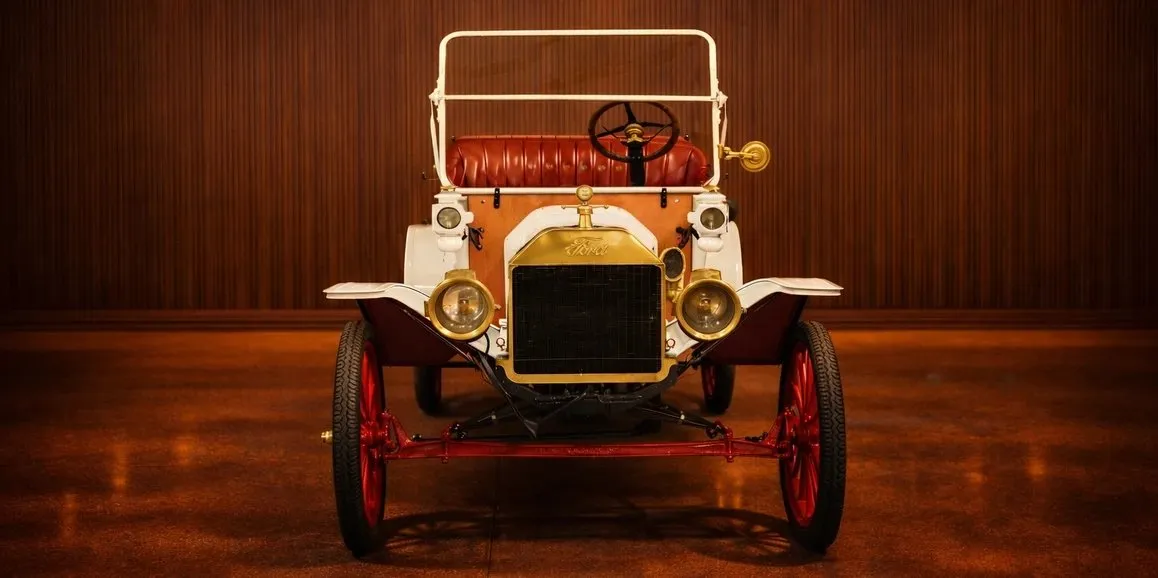
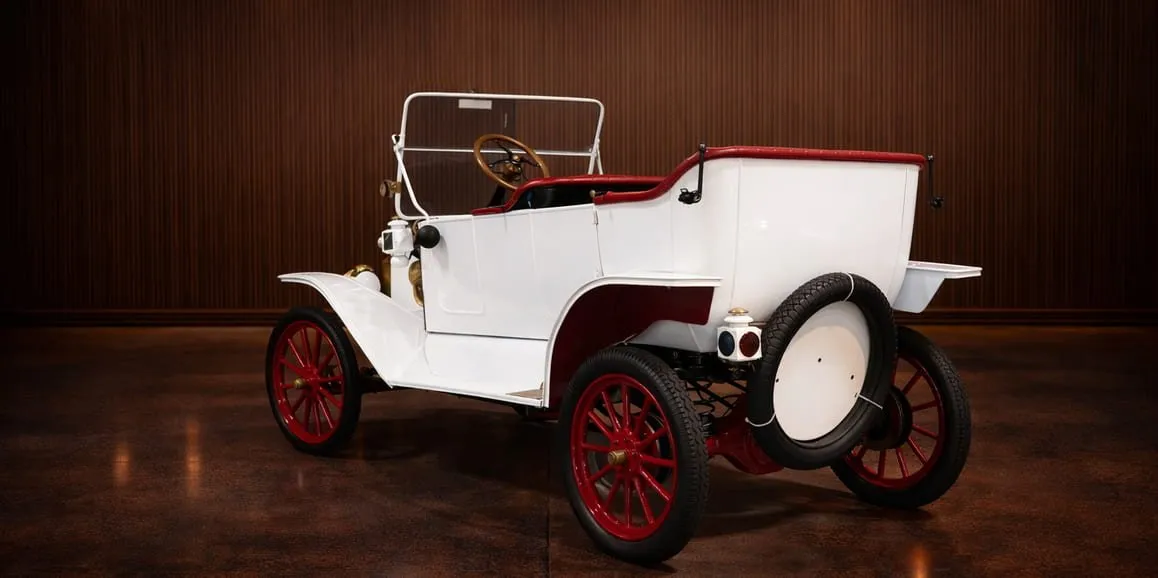
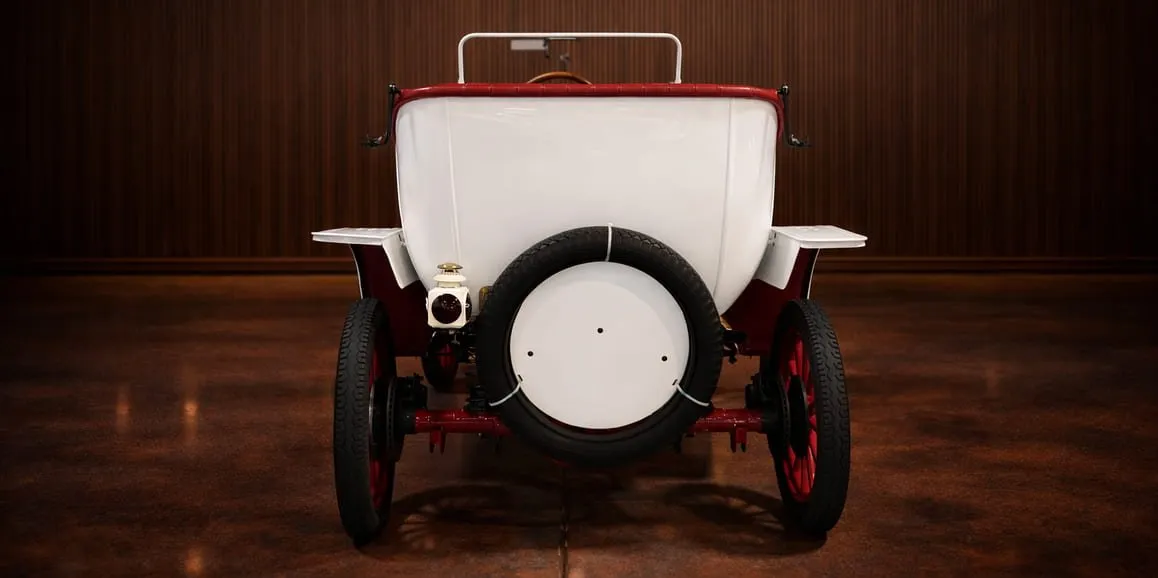
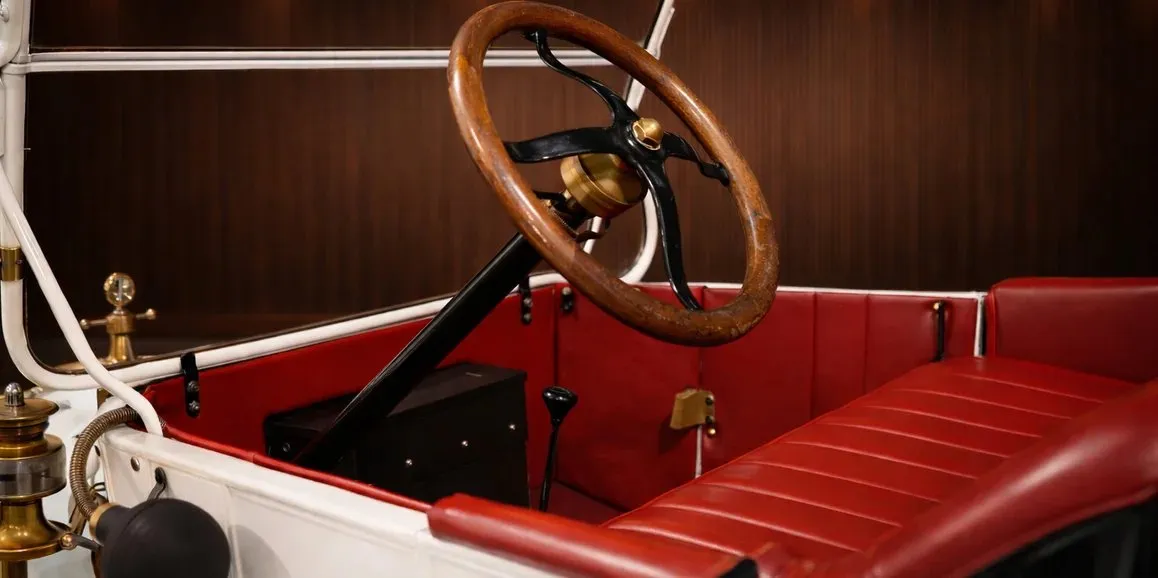
Ford built the Model T from 1908 to 1927, more than 15 million of them, and the brass radiator on this one dates it to the early years: Ford switched to a black-painted radiator in 1916. Brass-era cars are open to the sky, sit high on tall spoked wheels and have their lamps standing out on brackets.
In everyday speech, “vintage” has drifted much further. People use it for almost any old car with running boards and an upright grille, which usually means the 1930s and 1940s, and car ads use it for anything that looks old, because the word sells. Genuine 1920s cars are rare, slow and fragile, so very few of them are for hire. When someone books a “vintage car” for a wedding, what they usually want is the pre-war look, and that comes from the cars of the 1930s and 1940s, or from a vintage-style car built later.
What “classic” really means
“Classic” has two meanings, and they’re a long way apart.
Classic with a capital C belongs to the Classic Car Club of America. Its “Full Classics” are fine or distinctive cars, American or foreign, built between 1915 and 1948, usually expensive when new and built in small numbers. Only the models on the club’s approved list count, and the window used to start in 1925 until the members voted in 2015 to move it back to 1915. Think of the big Cadillacs, Packards and Lincolns of the 1930s, often with bodies built by hand by coachbuilders such as Fleetwood.
Classic in everyday use simply means a car old enough to be special. Most insurers treat a car as a classic once it reaches 20 to 25 years old, and the states don’t agree either: Pennsylvania, for example, gives a classic plate at 15 years and an antique plate at 25. By that measure a 1957 Bel Air, a 1965 Mustang and a 1976 Cadillac Eldorado are all classics, and so, increasingly, are cars from the 1990s.


And what about “antique”?
“Antique” is the widest word of the three. The Antique Automobile Club of America counts any car 25 years old or older, and the line moves every year: in 2025 the club welcomed the cars of 2000. Many states issue antique or historic plates at 25 years too, while some collector-car insurers keep the word for cars built in 1975 or earlier. So one car can be all three at once. A 1939 Packard is an antique by age, a classic by any everyday measure, and a “vintage car” to almost anyone who sees it at a wedding.
How to tell a vintage car from a classic car at a glance
You don’t need a birth certificate. The shape gives it away. Pre-war cars, the ones most people call vintage, were designed as a row of separate parts: a radiator, a hood, fenders, lamps and a cabin. After the war, designers started drawing the whole car as one smooth shape.
| Look at | Vintage and pre-war cars (to the 1940s) | Classic cars (1950s to 1980s) |
|---|---|---|
| Fenders | Separate, sweeping fenders, often with running boards | Built into the sides of the body |
| Grille | Tall, narrow and upright | Wide and low, with plenty of chrome |
| Headlights | Big round lamps standing on their own | Set into the front of the car |
| Wheels | Wire or wooden spokes, sometimes a spare on the side | Steel wheels with hubcaps and whitewalls |
| Windshield | Flat and upright, sometimes split in two | Curved, often wrapping around the corners |
| Shape | Tall and upright | Long, low and wide |
Vintage or classic? Real cars you can book, labeled
Here are cars from every era, oldest first, each labeled the way a collector would see it and the way most people would describe it. Every one has its own page with more photos and details.
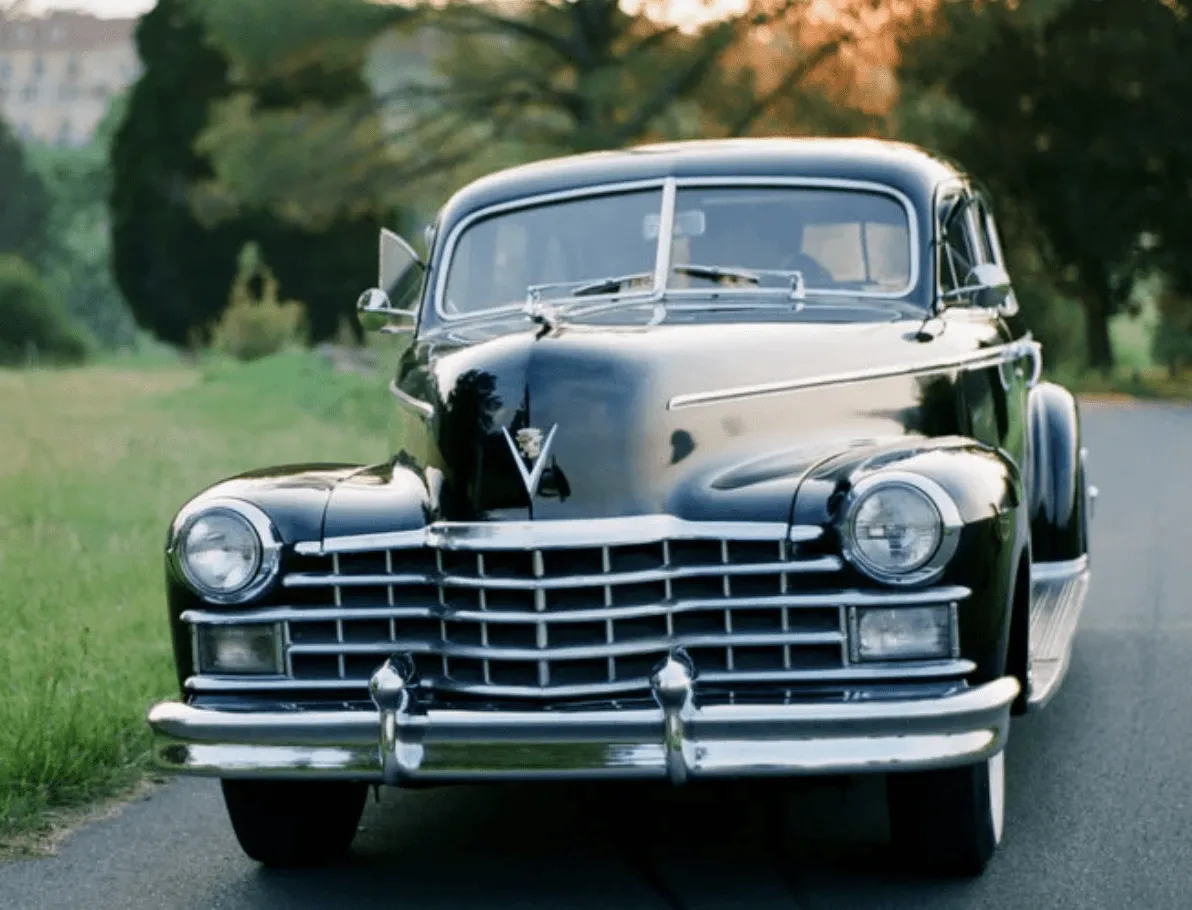
The 1930s and 1940s: classics with the vintage look
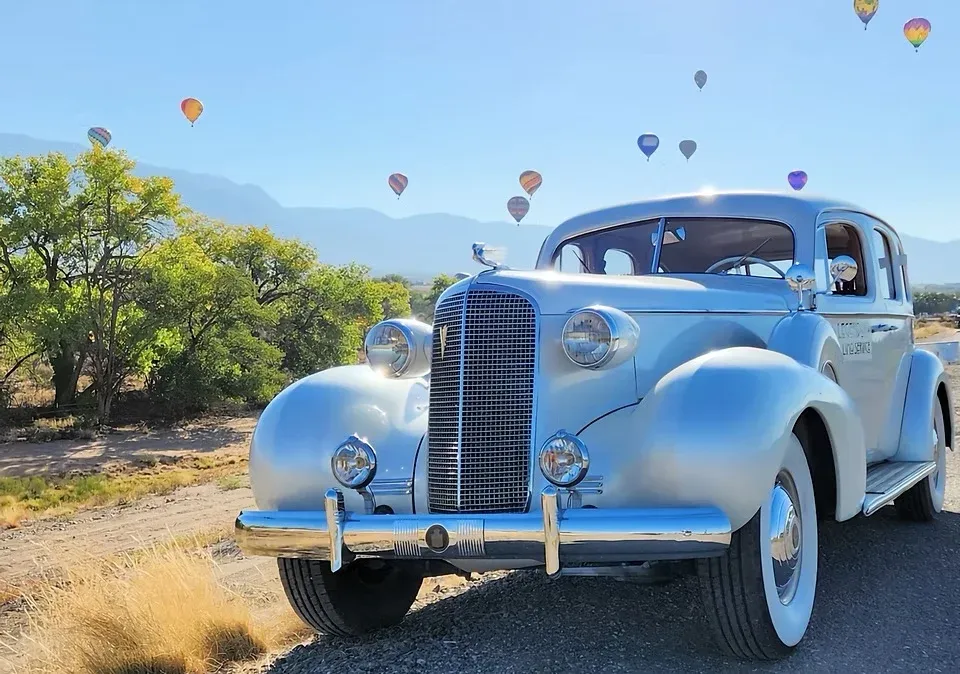
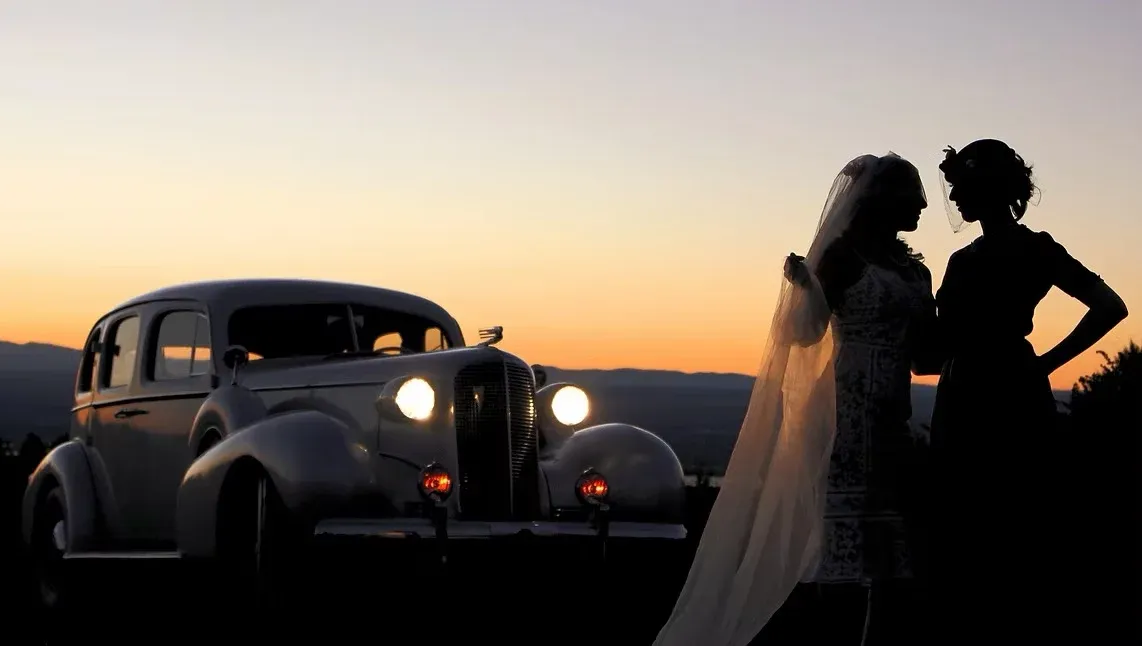
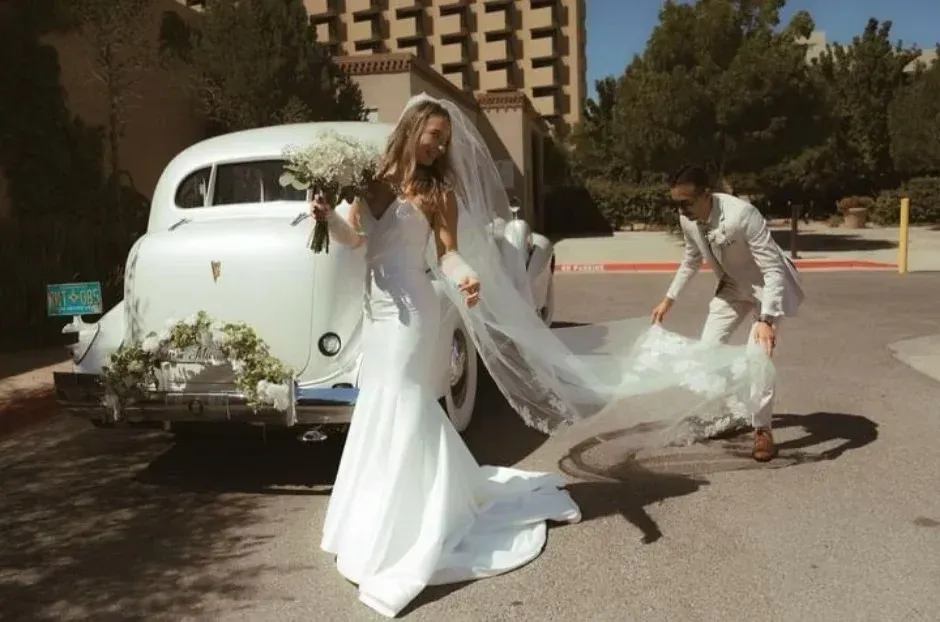
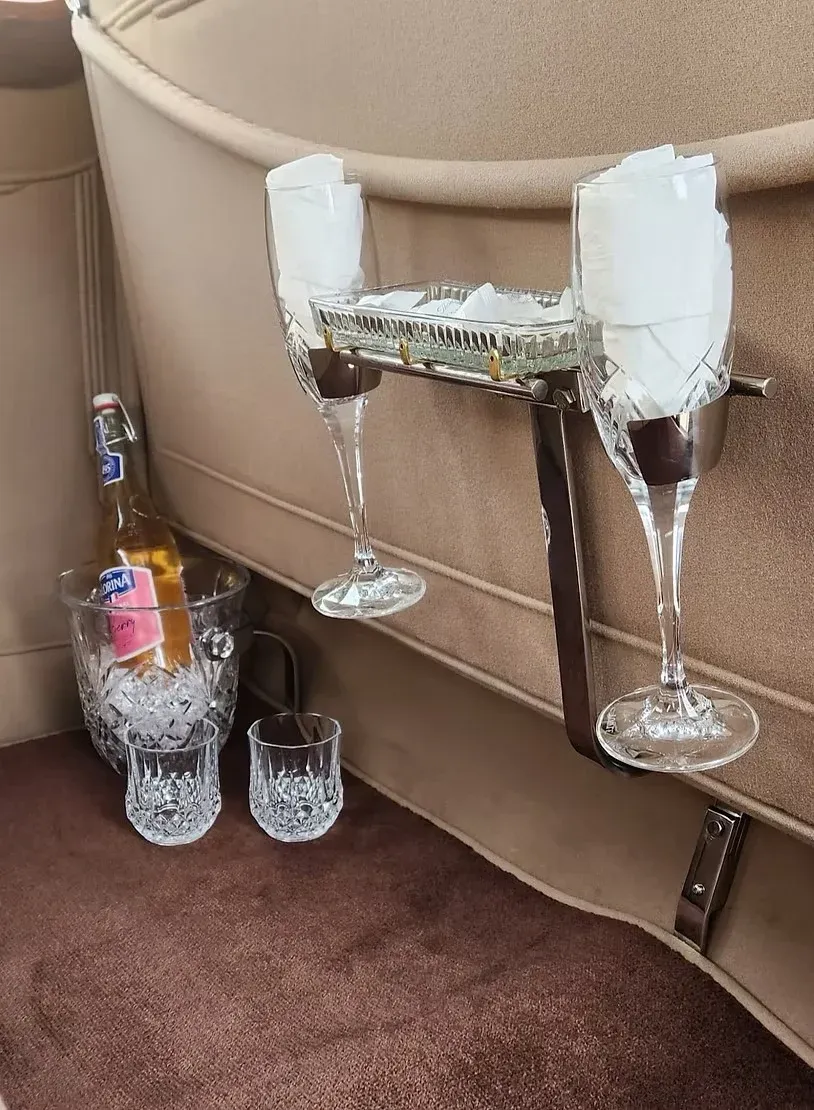
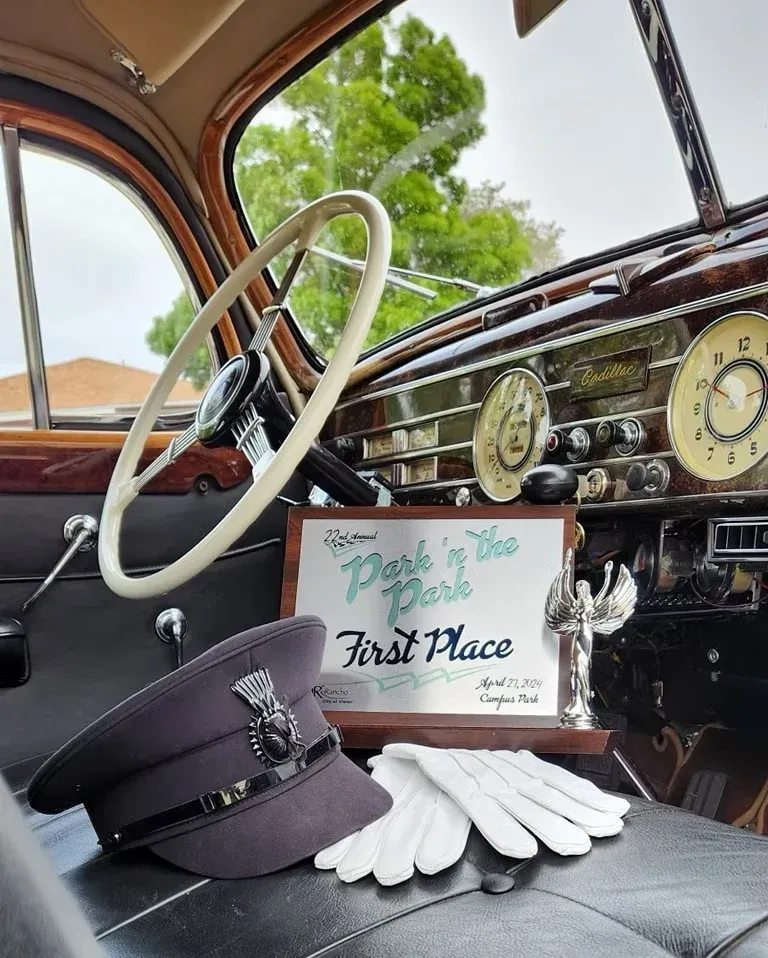
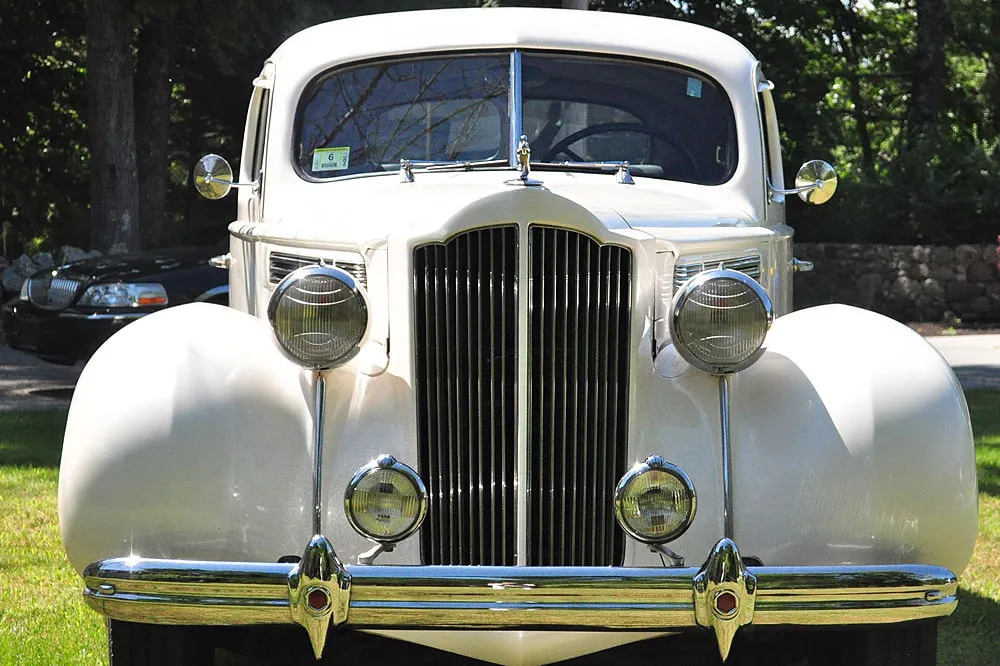
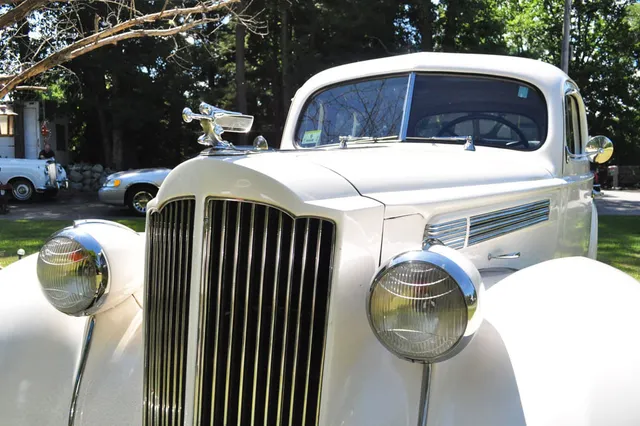
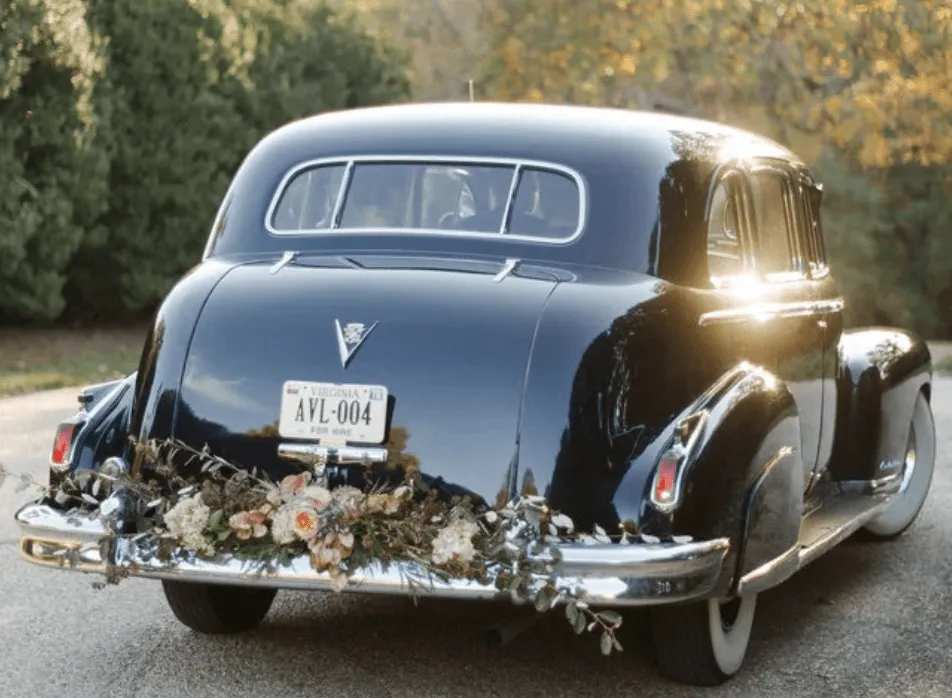
By date, these are classics: they were built in the years the Classic Car Club of America covers. To almost everyone else they’re the definition of a vintage car: long hoods, upright chrome grilles, sweeping fenders and running boards. They’re the cars people picture for a 1930s or Great Gatsby wedding. Our guides to 1930s cars and 1940s cars go deeper into each decade.





The 1950s: chrome, tailfins and two-tone paint
After the war, cars grew longer, lower and shinier. Fenders moved into the body, windshields curved and wrapped around the corners, and by 1957 tailfins were the height of fashion. These are classics in everyday terms, and they’re often called vintage because they look so different from anything on the road today. More in our guide to 1950s cars.


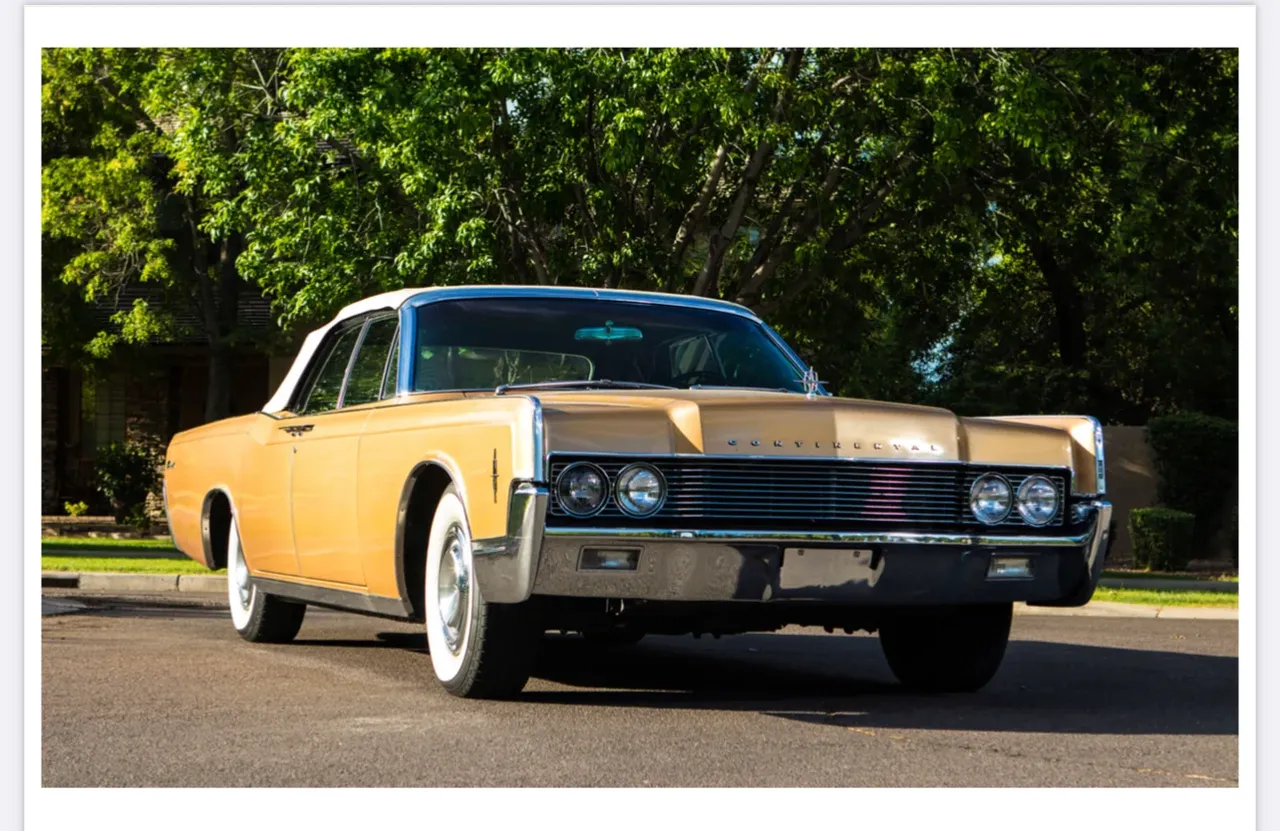
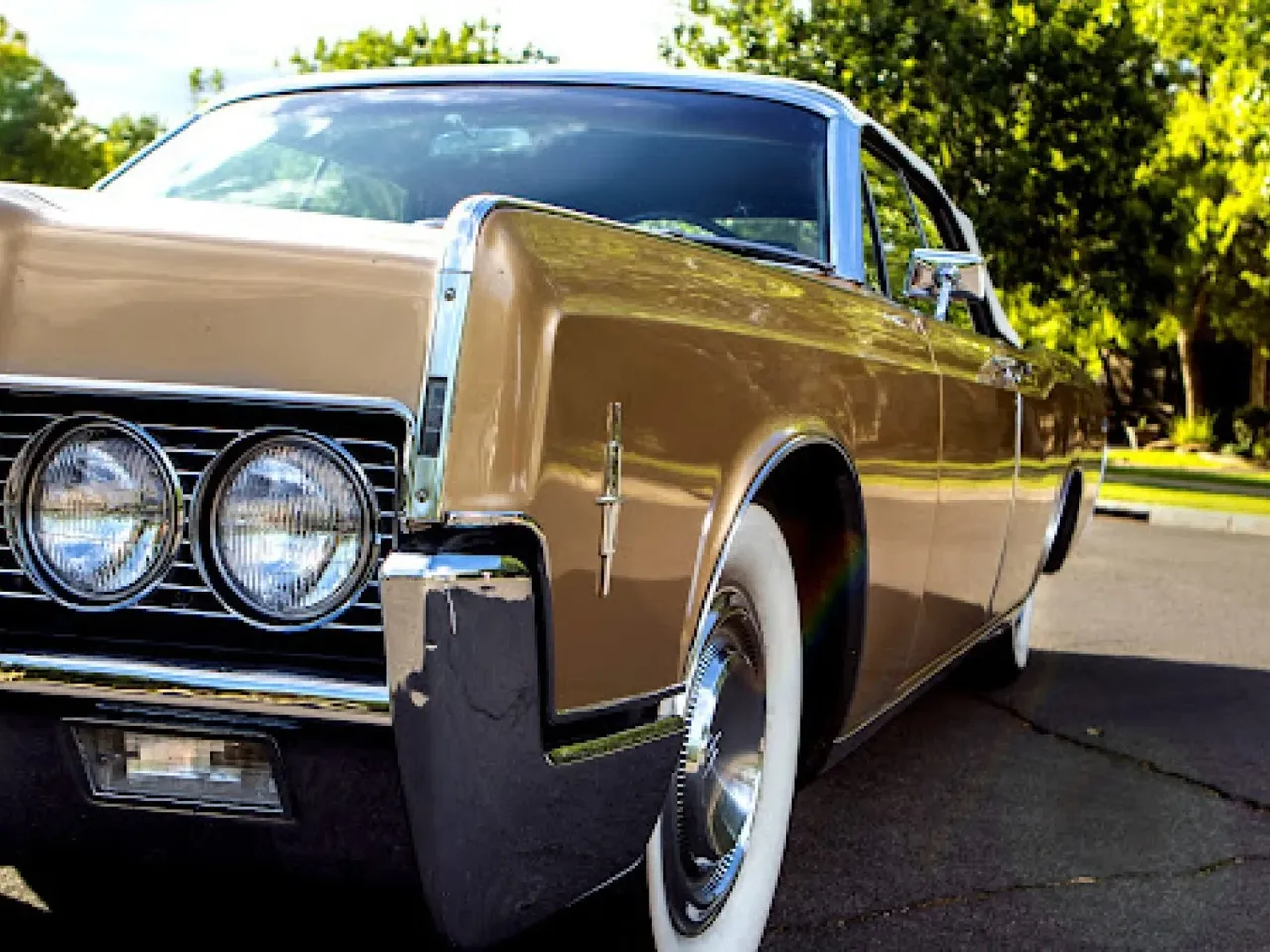
The 1960s: Mustangs, Corvettes and Silver Clouds
The 1960s brought cleaner lines, the first muscle cars and some of the best-loved convertibles ever built. Every car here is a classic, and to a collector none of them is vintage. Our guide to 1960s cars has more.




The 1970s and 1980s: the modern classics
These are the youngest classics, and at more than 25 years old every one of them is an antique too. They mix old-school glamour with a little more comfort. See our guides to 1970s cars and 1980s and 1990s cars.


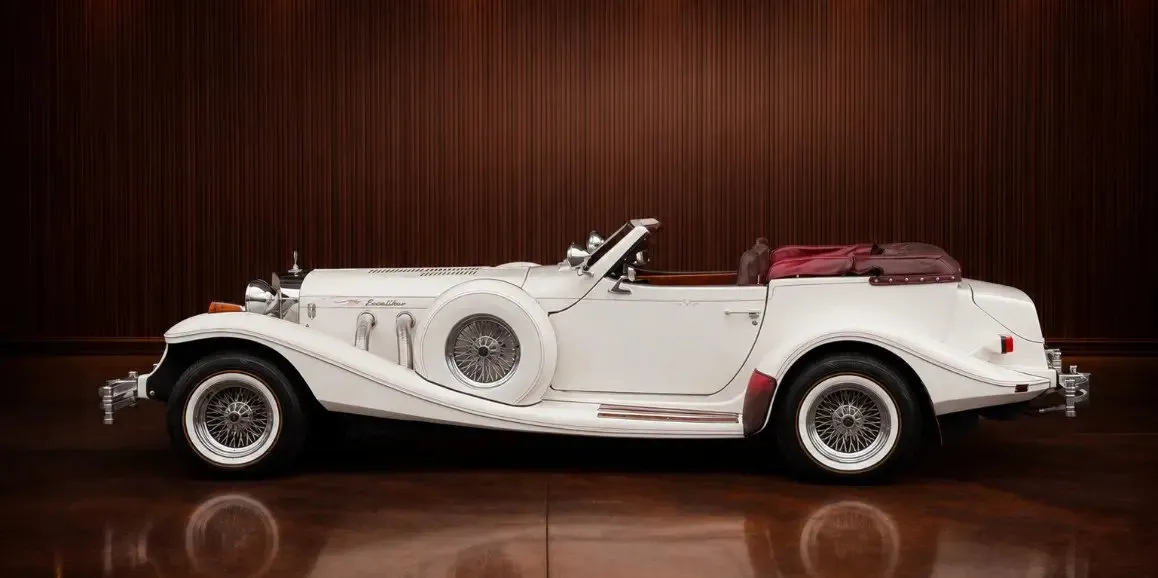
Vintage-style cars: the 1920s and 1930s look, built later
Some of the most “vintage” looking cars on the road were built decades after the era they copy. The Excalibur was designed by Brooks Stevens after the 1928 Mercedes-Benz SSK, first shown in 1964 and built until 1990, with much newer machinery under its long hood. The Beauford is a British-built car styled on the open touring cars of the 1930s. Collectors call this kind of car a neoclassic. It isn’t vintage by date, but it gives you the 1920s and 1930s look with fewer worries about an old engine on a hot day.


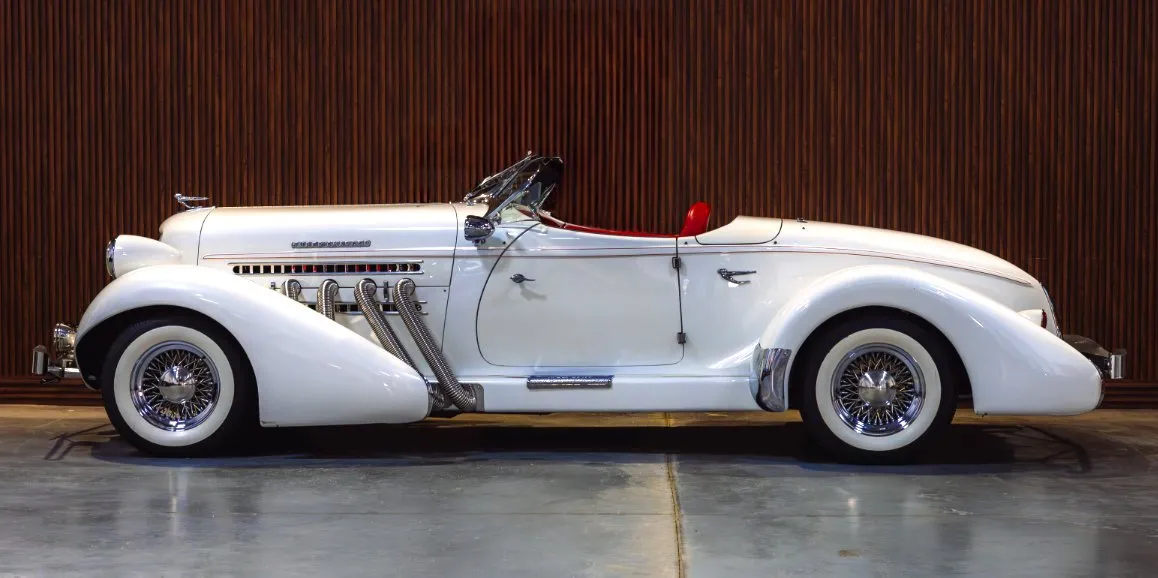
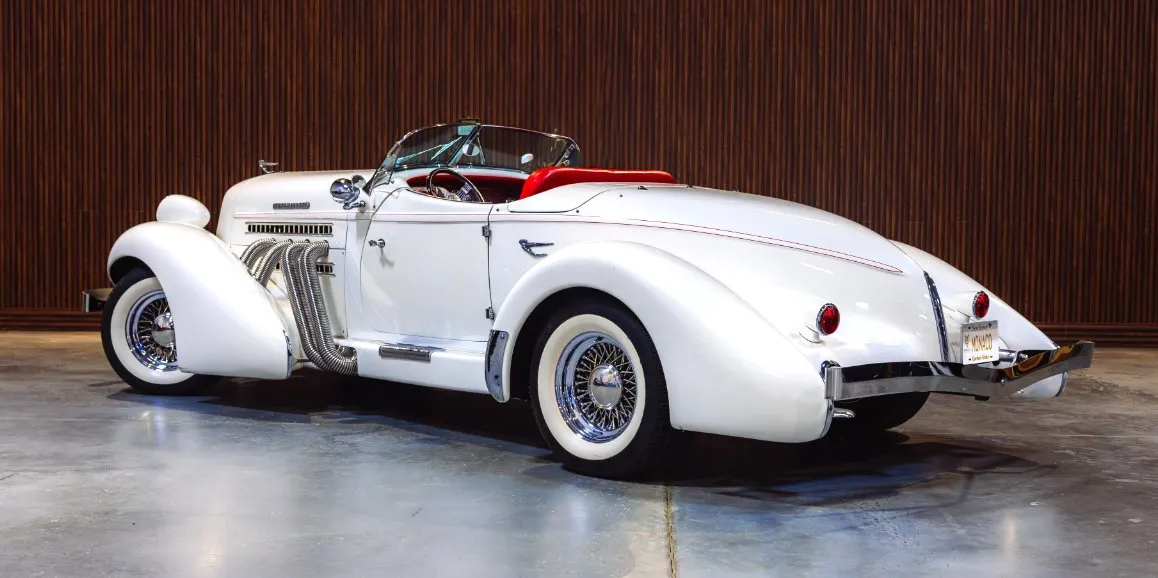
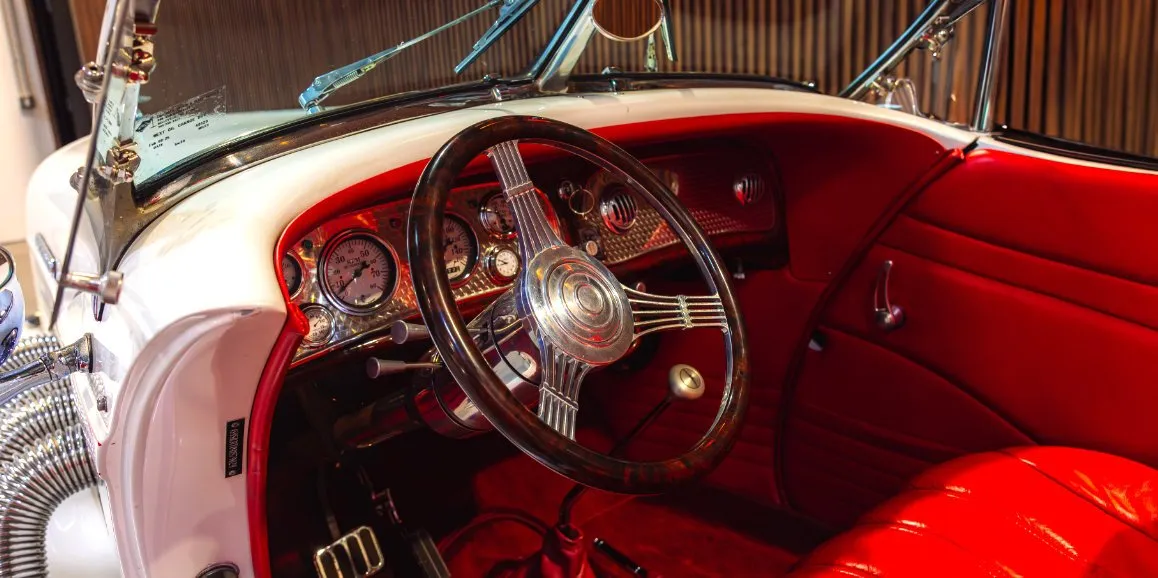
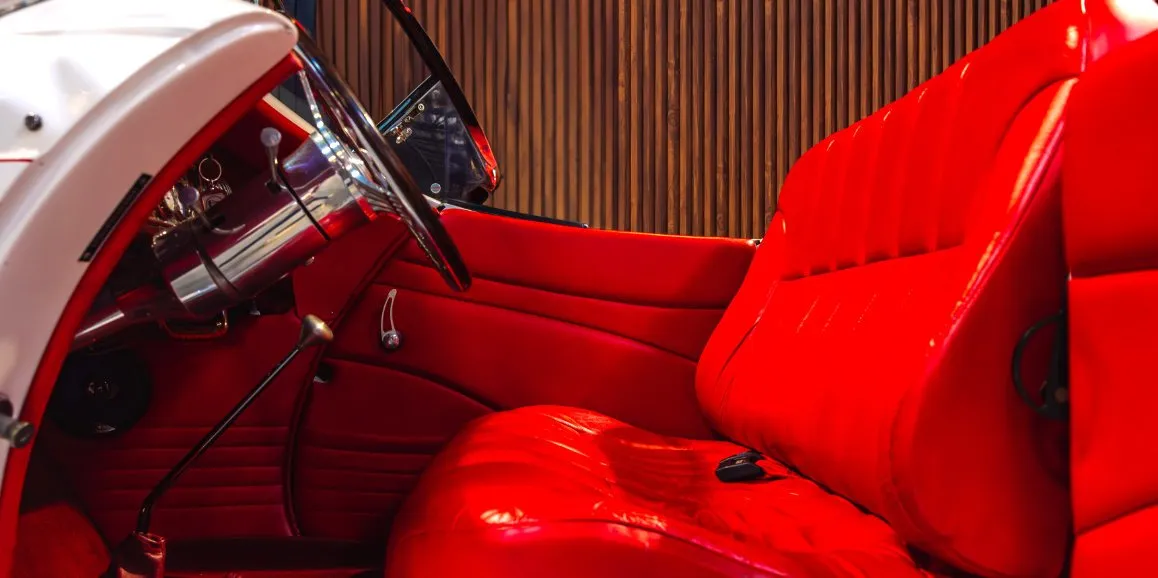
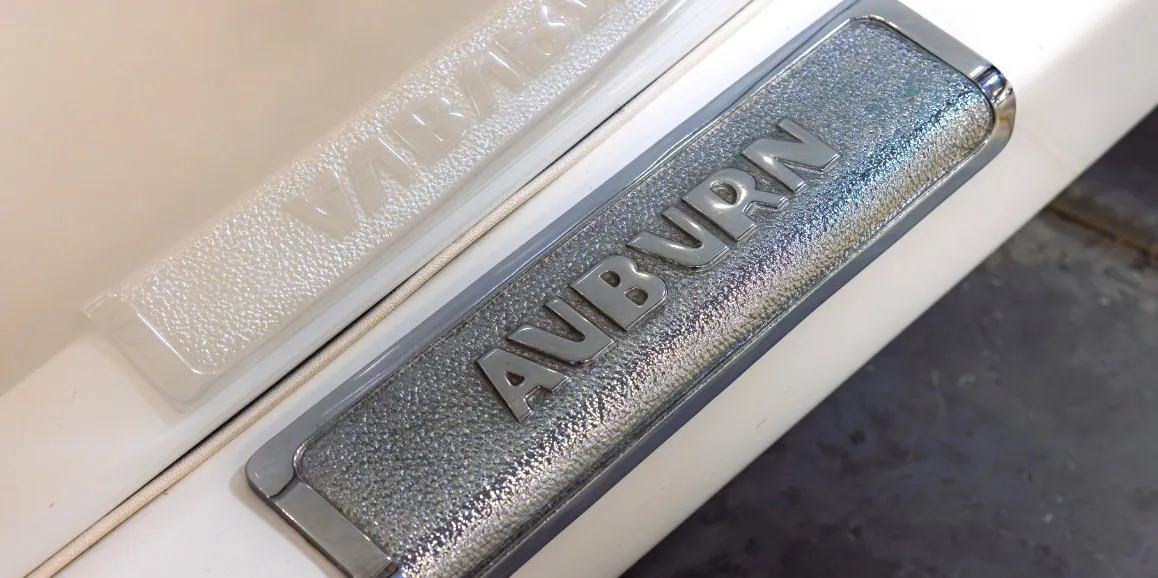
The Auburn Speedster’s boattail shape from 1935 and 1936 is so loved that many of the speedsters on the road today are later re-creations. If it matters to you whether a car is an original or a re-creation, ask us before you book, and we’ll find out. You can also see the Beauford on its own page.

What classic and vintage cars are used for
An old car changes the feel of any event. It slows everyone down for a moment, it photographs beautifully, and it says that someone went to real trouble to make the day special. These are the occasions people book them for most.
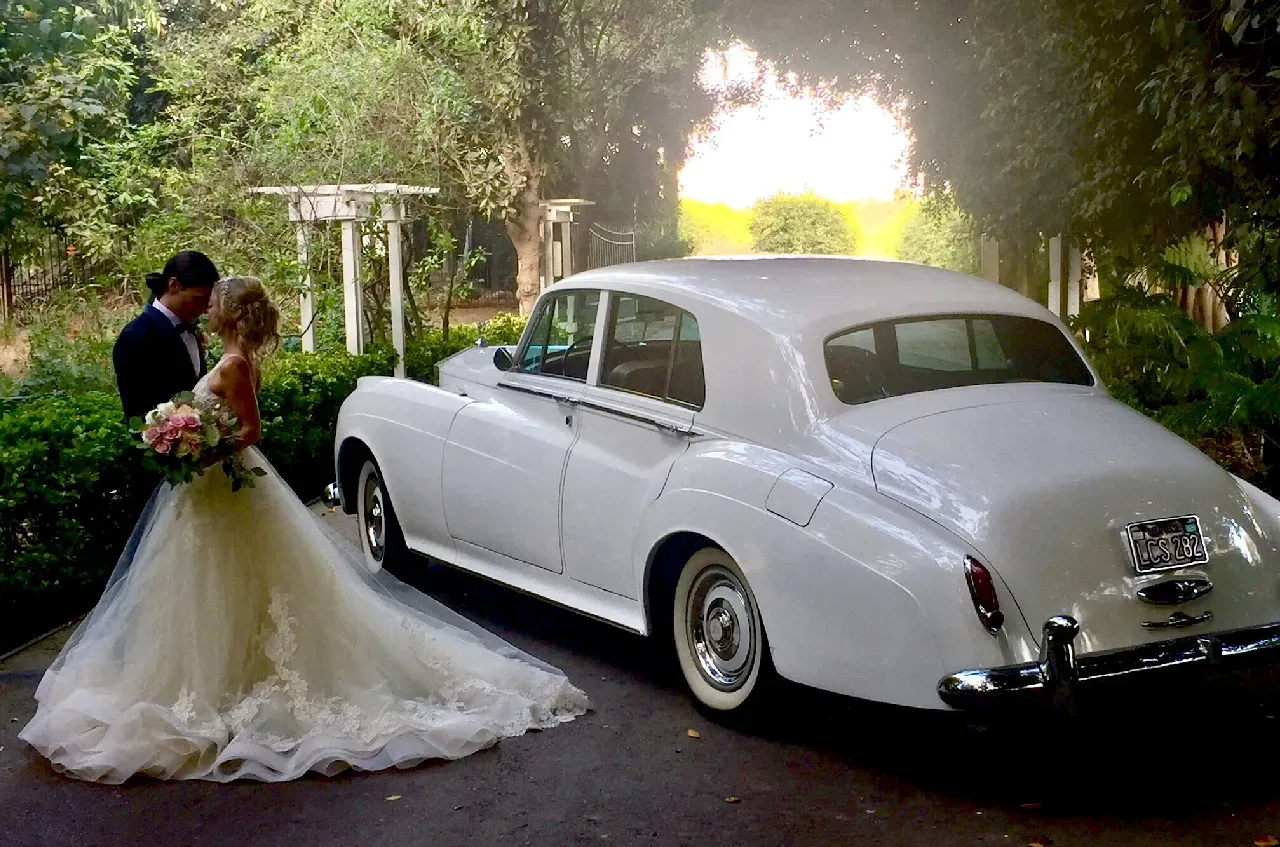
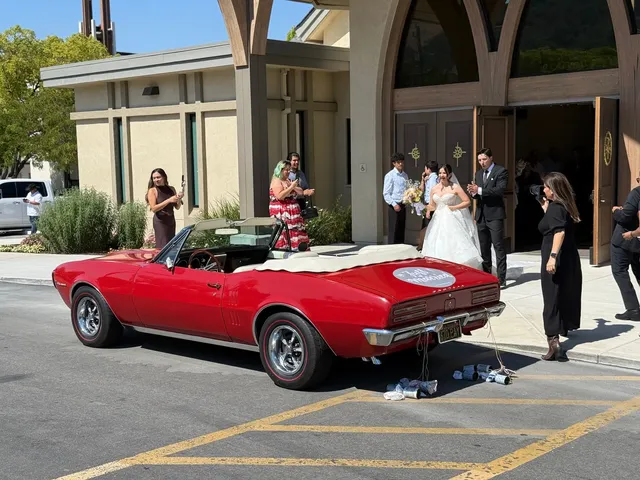
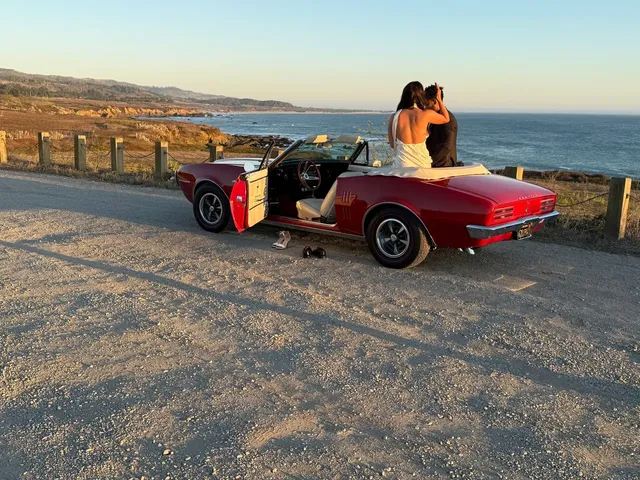
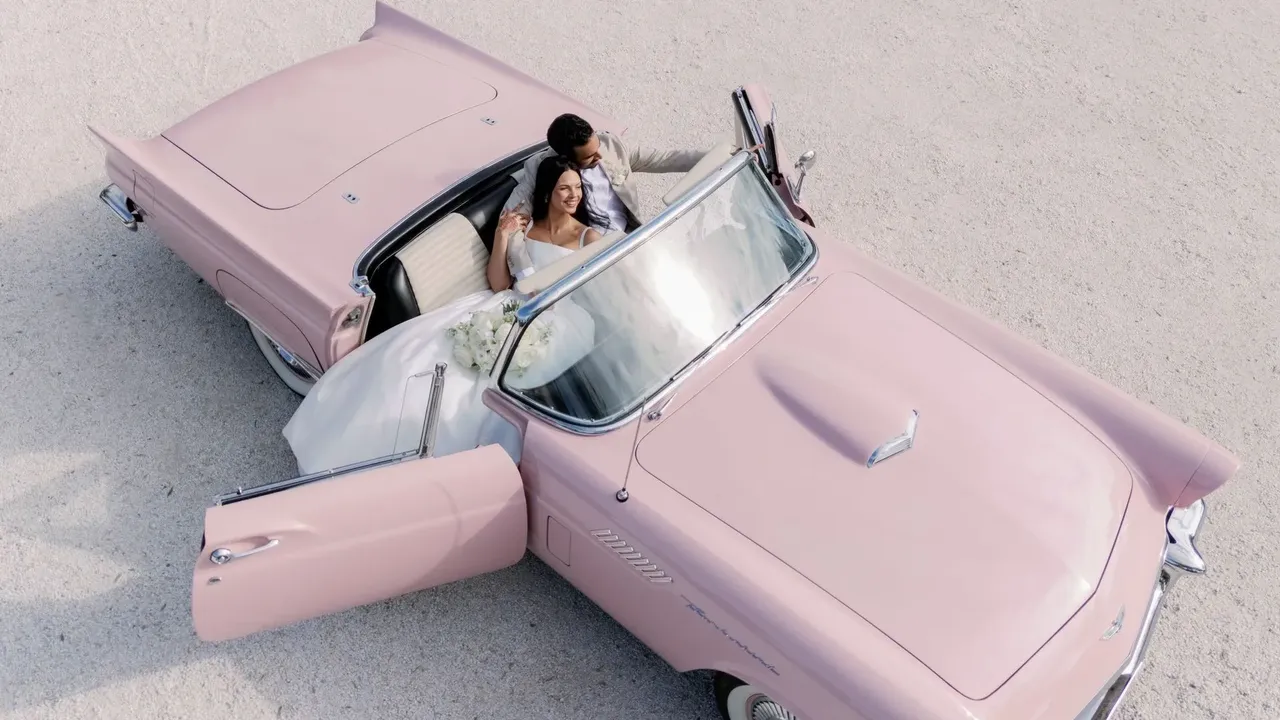
- Weddings. The bride’s arrival, the photos between the ceremony and the reception, and the getaway at the end of the night. Pre-war cars suit a formal or Gatsby theme, and 1950s and 1960s convertibles make the perfect getaway car. See our wedding cars, our picks of the best classic and vintage wedding cars and our guide to choosing a wedding getaway car.
- Proms and homecoming. A classic stands out in a line of limos, and it makes the pre-prom photos at home. More in our guide to classic and vintage cars for prom and our prom cars.
- Graduations. Arriving at the party in a 1960s convertible, and family photos with the car that nobody forgets.
- Photo shoots and music videos. Fashion, editorial, product and album-cover shoots all use classic cars as instant set dressing.
- Pre-wedding and engagement shoots. A classic car gives an engagement shoot a theme and a story in a single frame.
- Corporate events. Arrivals for guests of honor, a car on display at a product launch, or a vintage-themed company party.
- Business openings. A classic parked by the door draws people in and puts the ribbon-cutting photos on social media.
- Anniversaries and milestone birthdays. The same model as the car you married in, or the one you dreamed about at 16.



Why they turn every head
Park a classic or vintage car anywhere and watch what happens. People slow down, phones come out, and someone always walks over to say their grandfather had one just like it. At a wedding the guests gather around it, at a prom the line of photos forms by the car and not the doorway, and outside a new store it gets more attention than the sign. There’s a simple reason: almost everything on the road today is shaped by the same wind tunnels and the same safety rules, so a car with chrome, curves and a face of its own stands out instantly.




Book your classic or vintage car with RentX
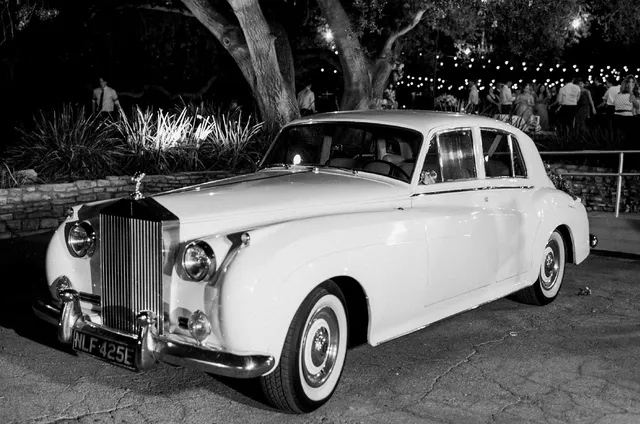
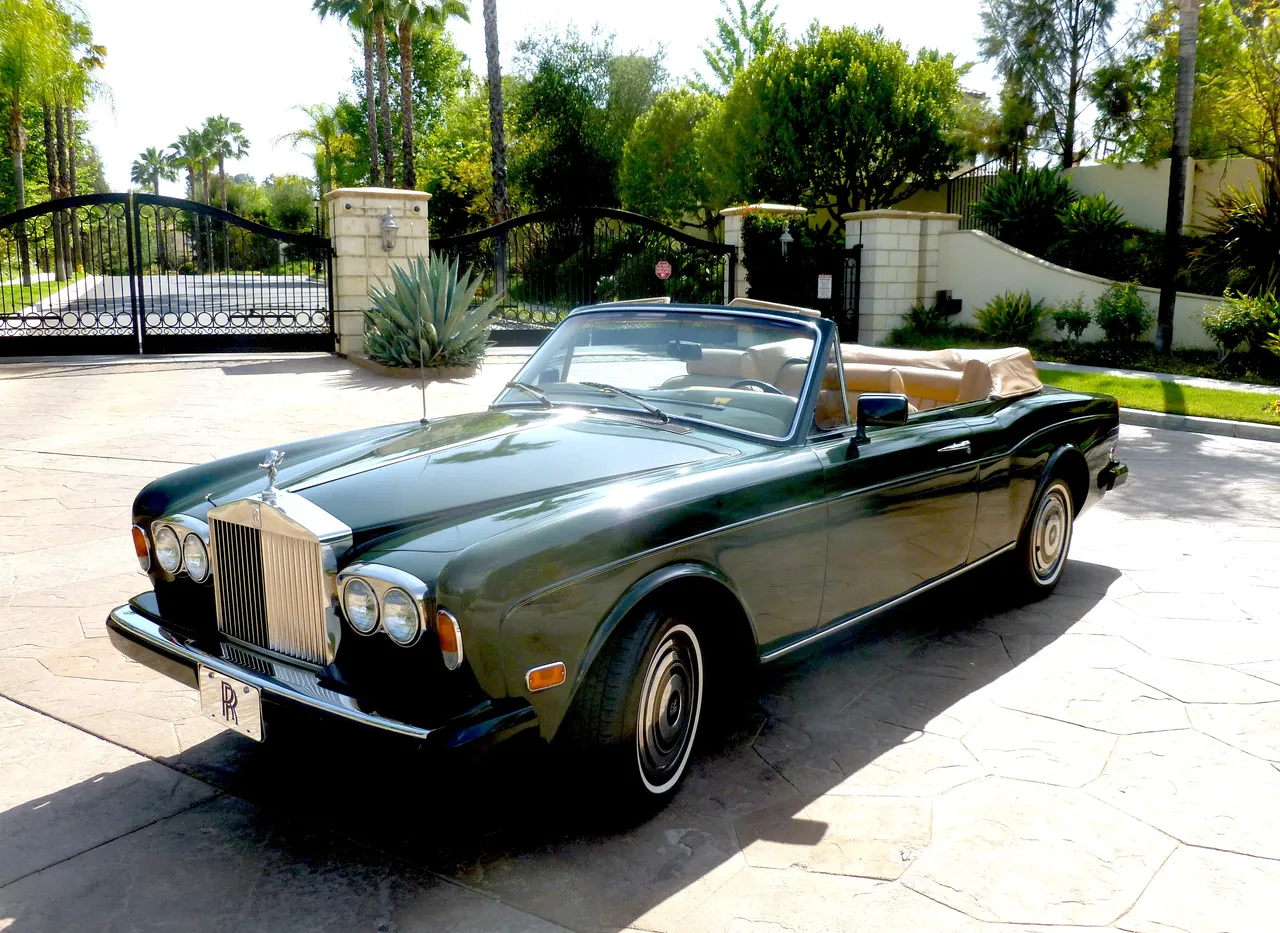
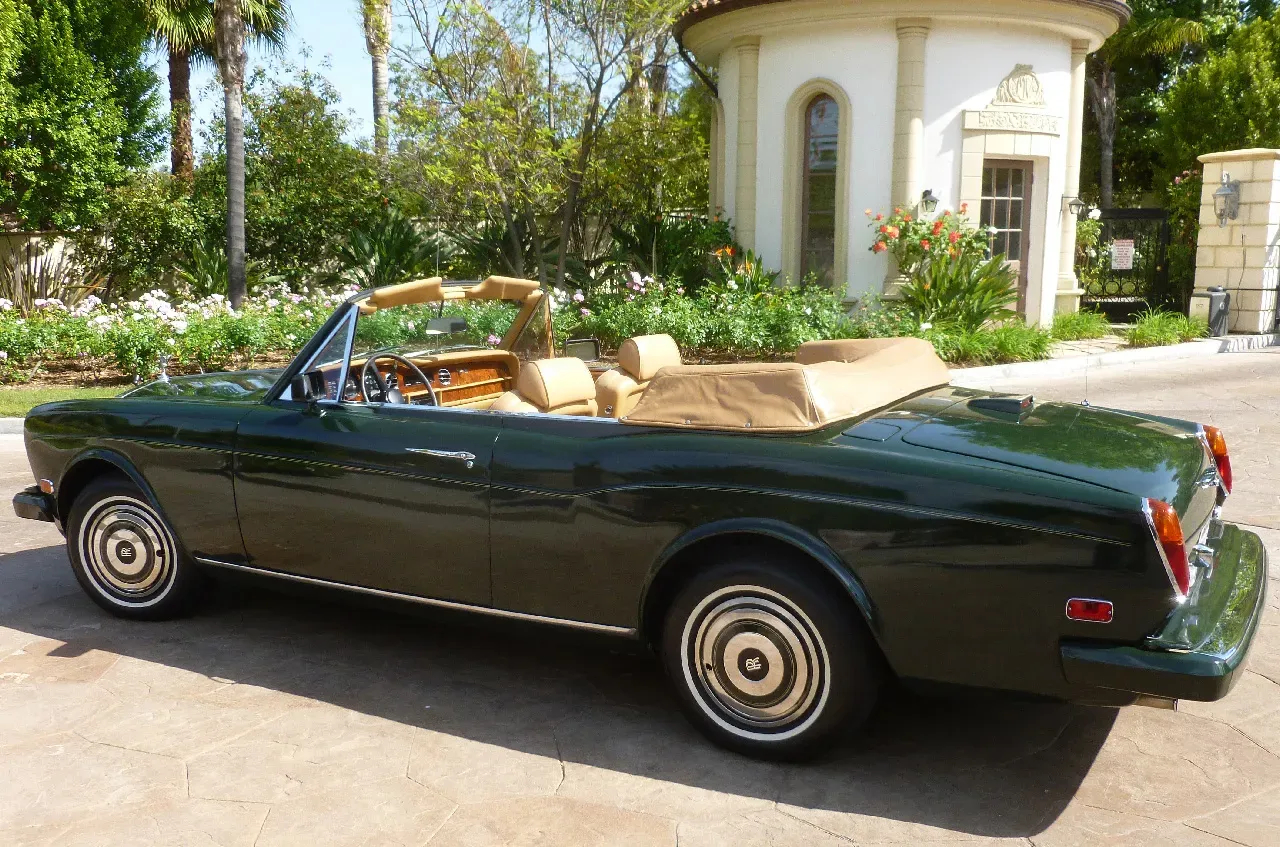
Classic and vintage cars are a specialty of ours, and we have a huge selection of them across the country, from a brass-era Model T and pre-war Cadillacs and Packards to 1950s tailfins, 1960s convertibles and 1980s Rolls-Royce Corniches. Every car has its own page with photos and details, so you can see what you’re booking. Browse them all on our classic and vintage car rental page, or see our Rolls-Royce rentals and the classic and vintage Rolls-Royce wedding cars.
A few things worth knowing before you choose:
- Older cars are happiest on short, gentle routes. A pre-war car is perfect from the ceremony to the reception, less so for a long highway run.
- Plan for the weather. Many older cars have no air conditioning, so a summer wedding is easier with the windows down and a short ride. A convertible needs a plan for rain.
- Check the seats. Most classics seat two to four people, and a big dress takes up room.
- Leave time for photos. Everyone will want one with the car, so build it into the day.
Tell us your date, your pickup and what the day is for, and we’ll send you the classic and vintage cars that are free.
Frequently asked questions
Is a vintage car older than a classic car?
Usually, yes. Strictly, a vintage car was built between 1919 and 1930, while a classic can be anything from a 1915 luxury car, in the Classic Car Club of America’s sense, to a car that’s simply 20 or 25 years old. In everyday speech the words overlap, so many 1930s to 1950s cars get called both.
How old does a car have to be to be a classic?
There’s no single rule. Most insurers say 20 to 25 years, the states set their own ages for classic and antique plates, and the Classic Car Club of America only counts approved cars built from 1915 to 1948.
Is a 1965 Mustang a classic or a vintage car?
A classic. It’s far too young to be vintage in the collector’s sense, although plenty of people call it vintage because it looks so different from a modern car.
What’s the difference between an antique car and a vintage car?
“Antique” is about age: the Antique Automobile Club of America counts any car 25 years old or older, and many states use the same age for antique plates. “Vintage” is about an era, the cars built between 1919 and 1930.
Is an Excalibur a vintage car?
Not by date. The Excalibur was built from the 1960s to 1990 in the style of a 1928 Mercedes-Benz, so it’s a neoclassic: vintage in looks, newer underneath.
Which is better for a wedding, a classic or a vintage car?
It comes down to the look you want. A pre-war car, like a 1930s Cadillac or Packard, suits a formal or Gatsby-style day and the bride’s arrival. A 1950s or 1960s convertible suits a getaway and a summer evening. Many couples book one of each.
Can I book a classic car for a photo shoot or a business opening?
Yes. Tell us the date, the place and how long you need the car, and we’ll send you the cars that are free.


